
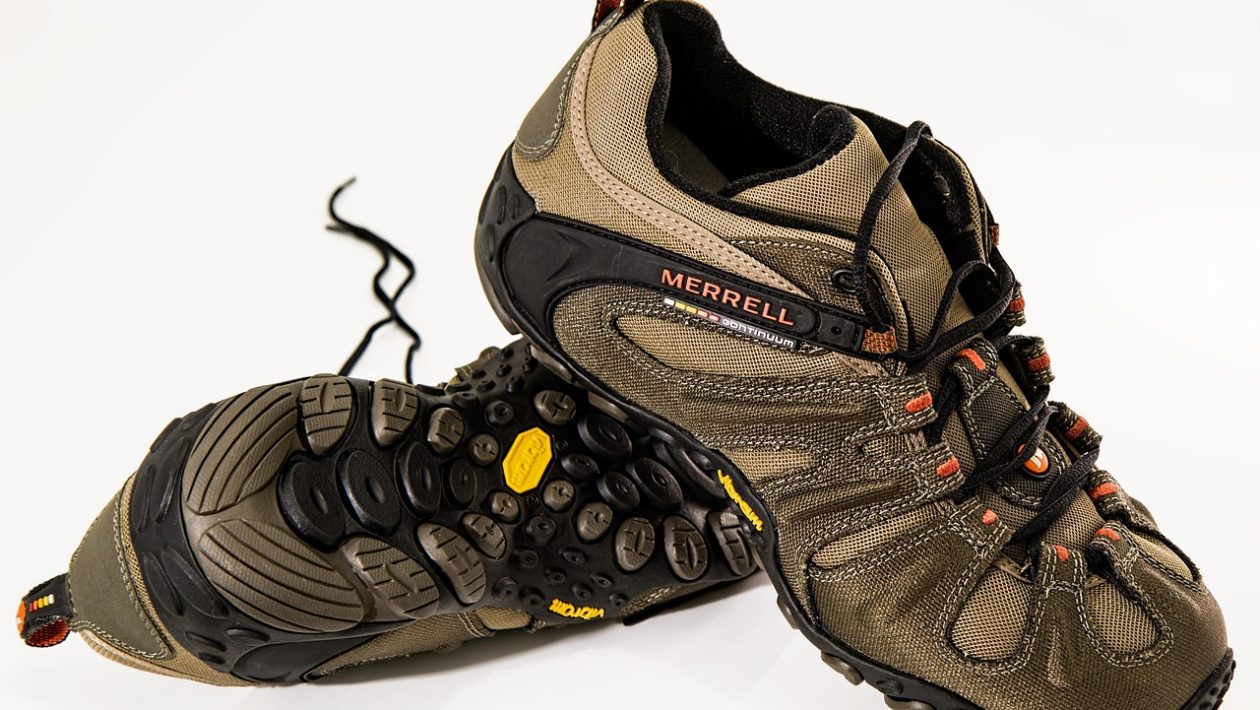
Waterproof shoes protect the feet from rain and wet trails. The fabric can be water-tight, but water could still seep in along the seam. Stitches are a row of tiny holes. Normal threads can pull water through those holes like a tiny rope. Anti-wicking threads slow or stop this pull. They help the shoe stay dry longer and feel warmer in use. Here is a simple guide that explains what they are, how they work, and how to use them well.
What does anti-wicking thread means
Anti-wicking thread is a strong synthetic thread with a special surface finish. The finish lowers surface energy. Water beads on the thread and does not climb. The core gives the strength for stitching. The finish blocks the water path. Good products keep this effect after bending, rubbing, and multiple wash cycles.
How water gets inside in the first place
Water can enter by three routes.
- Straight through the fabric if the fabric is not fully sealed.
- Through gaps at the bond or tape edge.
- Along the stitch line by capillary action on the thread and inside the needle holes.
Anti-wicking threads work on route number three. They do not replace membranes, seam tapes, or bonding. They support those systems.
Why they matter in real use
Feet press down. The shoe flexes at the forefoot. Rain and mud push on seams. In these moments, a normal thread can pull a thin line of water into the upper. The liner gets damp. The foot chills. With anti-wicking thread, water struggles to move along the seam. Inside stays drier. The shoe feels warmer. Stains from dark wet lines are also reduced, so the shoe looks cleaner after a storm.
Where to use anti-wicking threads in a shoe
Not every seam needs the same protection. Put anti-wicking thread (bonded nylon thread) where splash and pressure meet.
- Toe bumper and mudguard rails
- Sidewall joins above the feather line
- Eye stay areas where rain runs off laces
- Heel foxing and collar joins near spray
- Gusset tongues and gaiter joins if present
Interior seams that never see water pressure can use standard threads if testing allows.
Thread families that work well
- Corespun polyester sewing thread with anti wicking finish for most construction seams
- High tenacity polyester with anti wicking finish in stress zones where you want small holes and big strength
- Heat and chemical-tolerant variants when shoes meet hot presses or harsh cleaners in service
Use the finest ticket that still passes seam pull tests. A smaller ticket allows a smaller needle. Smaller needles make smaller holes. Smaller holes leak less.
Stitch geometry and seam design help a lot
Even great thread cannot fix a poor path. Plan seams for wet conditions.
- Construction stitch length around 3.0 to 3.5 millimeters to reduce hole count
- Visible top rails 3.5 to 4.0 millimeters for a calm line that also sheds drops
- Two slim rows 2 to 3 millimeters apart on stress paths. You share load without crowding holes
- Corner radius of 6 to 8 millimeters so holes do not pack and crack during deep flex
- Press a light stitch channel so thread sits a little lower than the wear surface. Water flows over instead of striking the rail
Lift sidewall seams 2.5 to 3.0 millimeters above the lowest splash lane so holes are not sitting in standing water.
Needles and machine setup
Heat at the needle can mark films and open holes. Keep friction low.
- Use micro or light round point for coated textiles and microfiber. Ball point only at knit joins
- Start with NM 80 to 90 depending on stack thickness
- Coated needles reduce friction heat at high speed
- Keep top tension moderate. A hard ridge can trap moisture and dirt
- Replace scratched plates and feet. Rough hardware makes fuzz that soaks up water
Bonding and seam tapes next to stitches
Waterproofing is a system. Glue and tapes must work with the stitch.
- Keep bond lanes narrow at 3 to 4 millimeters so glue does not flood holes
- Scuff and clean evenly. Respect open time. Press with even dwell
- Cool clamp 2 to 3 seconds so edges do not spring
- Choose seam tapes and adhesives that wet the upper well but do not attack the thread finish
Simple tests to prove performance
- Wicking strip test
Stitch two upper stacks. Dip the bottom edge in dyed water for 30 minutes. Measure the height of the wet line along the seam. Lower is better. Compare anti wicking thread to your current control. - Hydrostatic head on seam
Seal a stitched coupon into the test rig. Raise pressure until the first drop appears at the seam. Target a seam pressure at or above the fabric rating. - Wet flex
Soak for 30 minutes, then flex 5k cycles at the forefoot hinge. Inspect for dark tracks and edge lift. If tracks show, lengthen stitch and confirm finish choice. - Wash durability
Run five home style washes. Repeat the wicking test. The water line should remain low. - Salt exposure
For coastal and winter routes, expose to a light salt spray. Check for finish loss or shade change at the seam.
Troubleshooting quick table
| Problem | Likely cause | Fast fix |
| Dark line along seam after rain | Short stitch and big needle | Lengthen to 3.2 to 3.8 mm, use smaller needle |
| Water entry near bond edge | Glue flooding holes | Narrow lane to 3 to 4 mm, respect open time, cool clamp |
| Finish seems weak after pressing | Overheating at the press | Lower dwell, use press cloth, check needle heat |
| Corner whitening and leaks | Tight radius crowding holes | Radius 6 to 8 mm, add double rail, press channel |
| Fuzz that holds moisture | Rough plate or foot | Polish or replace parts, choose smoother finish thread |
Tech pack lines you can copy
- Thread anti wicking polyester for construction. High tenacity anti wicking polyester at toe rails, lateral walls, and heel anchors
- Stitch 301 construction 3.2 millimeters. Visible rails 3.8 millimeters. Double rail 2.5 millimeters apart on stress paths. Pressed channels on scuff zones
- Needles micro or light round NM 80 to 90. Coated type for high speed. Ball point at knit joins
- Corners radius 7 millimeters minimum near the forefoot hinge
- Bond lanes 3 to 4 millimeters with cool clamp 2 to 3 seconds
- Tests wicking strip after 0 and 5 washes, hydrostatic seam head, wet flex 5k
Wrap
Anti wicking threads do not make a shoe waterproof by themselves. They close one of the sneaky water paths along the stitch. Use fine strong thread with the right finish. Keep stitch lengths moderate. Round corners. Lift seams above splash lines. Control bond lanes and tapes. Test in wicking, pressure, wet flex, and wash. Do these simple steps and your waterproof footwear will stay drier, look cleaner, and perform better on every wet mile.