
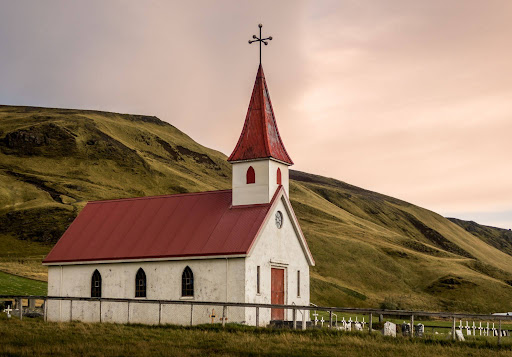
Most people picture a pastor in the pulpit.
That image captures maybe two or three hours of an entire week. The rest of the role unfolds somewhere else entirely, often in places no one outside of ministry ever sees.
Modern pastoral work has stretched into something far broader than congregational leadership. It now reaches into food pantries, school auditoriums, hospital rooms, recovery meetings, neighbourhood events, and a hundred other settings where ministers show up because someone needs them to.
Behind all of that movement sits a quieter reality. Pastors who serve their communities well tend to rely on the practical things that keep them functional across long, unpredictable days, including reliable clergy shirts that hold up through whatever the calendar throws at them.
Outreach Is Where Most of the Work Happens
Community ministry rarely waits for people to walk through the church doors.
The expectation now is that pastors will go where the need is, whether that means partnering with local food programmes, attending school board meetings, joining neighbourhood task forces, or showing up to community events that have nothing directly to do with Sunday services. Visibility outside of the sanctuary has become part of how pastors build trust with the people they serve.
This kind of outreach is rewarding, but it is also unpredictable in ways that traditional ministry rarely was. A pastor might spend the morning serving meals at a shelter, the afternoon meeting with a city council member, and the evening leading a youth night at the church. Three completely different environments, three different sets of demands, all in the same day.
Pastoral Care Has Grown Beyond Sunday Conversations
The expectation around pastoral care has changed considerably over the past generation.
It is no longer enough to be available for a quick chat after the service. Members of the congregation, and increasingly people from the wider community, expect pastors to be present during the hardest moments of their lives. Hospital admissions, family crises, recovery journeys, and end-of-life conversations all sit within the modern pastoral remit.
What this looks like in practice is a calendar shaped largely by other people’s needs. A pastor might leave home expecting one kind of day and end up driving to a hospital across town within an hour. The capacity to pivot, show up, and be fully present in someone else’s worst moment is part of the job description, even when it never appears in writing.
Youth Ministry Demands a Different Kind of Energy
Working with young people has always been part of pastoral life, but the scope has expanded.
Youth groups, after-school programmes, mentoring relationships, mission trips, summer camps, and parent meetings all sit within the broader category of youth ministry. Some pastors lead these directly. Others coordinate volunteer teams that handle the day-to-day delivery. Either way, the energy required is significant.
Young people respond to consistency and presence more than anything else. The pastors who connect well with teenagers tend to be the ones who show up week after week, who remember details from previous conversations, and who are willing to engage with whatever is actually happening in their lives rather than what adults assume should be happening.
Counselling Sessions Quietly Fill the Diary
Most pastors will tell you that counselling takes up more of their week than any seminary class prepared them for.
Marriage struggles, grief, addiction, vocational confusion, family conflict, mental health challenges, and spiritual doubt all find their way into the pastor’s office, often without an appointment. Some conversations last fifteen minutes. Others stretch across months and years of regular meetings.
What this means practically is that pastors are sitting with people through some of the most emotionally weighty conversations a human being can have. The cumulative effect of that across a full ministry career is something most outside observers never quite grasp.
The Physical Side of the Role Is Real
Pastoral ministry has a physical component that often goes unspoken.
Long Sunday services in warm sanctuaries. Standing through wedding rehearsals. Walking hospital corridors. Carrying boxes at food drives. Setting up chairs before community events. The role is not desk-bound, and the wear and tear of constant movement adds up quickly across a week.
This is one of the reasons performance clergy shirts have become so widely adopted across community-focused ministry. Pastors who are on their feet for ten or twelve hours a day, moving between hot kitchens and cold parking lots and air-conditioned offices, need clothing that can keep pace without becoming a distraction. Brands like Wicking Vicar have built their products specifically around this kind of demanding, real-world ministry use.
Community Trust Is Built Slowly
What ties all of this together is something that takes years to develop.
Community-focused ministry is not built on grand gestures. It is built on consistent presence over long periods of time. The pastor who shows up to the same neighbourhood meeting every month, who remembers the names of the volunteers at the food pantry, who turns up to the high school football game on Friday night, gradually becomes someone the community recognises and trusts.
That trust is what makes the rest of pastoral work possible. People do not invite a stranger into the hardest moments of their lives. They invite someone who has already proven, through hundreds of smaller moments, that they will show up when it matters.
Conclusion
Modern pastoral work is bigger, broader, and more demanding than most people outside of ministry realise.
The Sunday sermon is still important, but it is only one piece of a much larger pattern of service that stretches across communities, families, and individual lives in ways that rarely get acknowledged publicly.
Pastors who serve their communities well do so through a combination of presence, consistency, and the everyday practical decisions that allow them to keep going year after year. That includes the clothing they wear, the rhythms they build into their weeks, and the quiet attention they pay to staying sustainable in a role that asks a great deal of the people who take it on.