
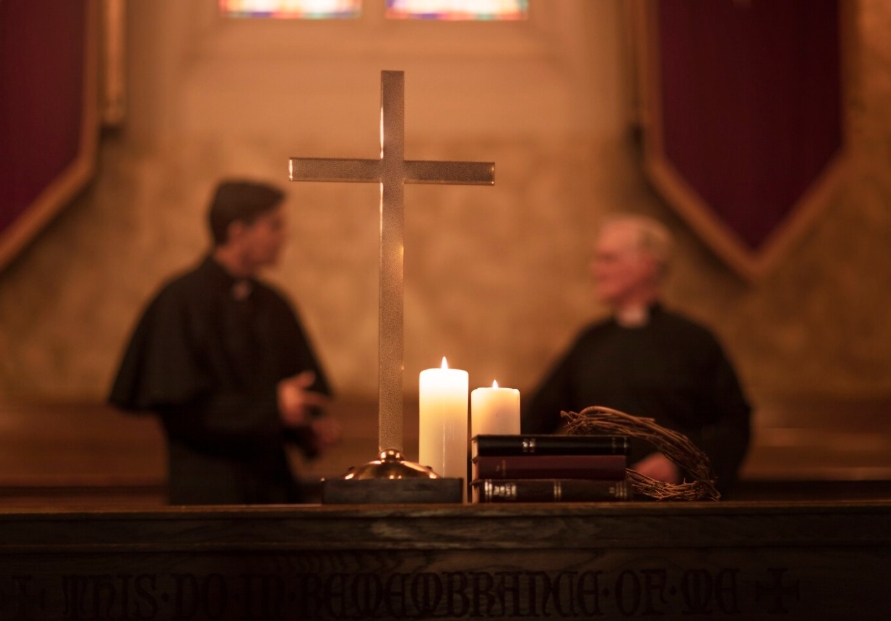
Many people wonder whether Catholics and Christians follow different religions. The confusion often comes from using these terms as if they describe separate faiths. However, Catholicism is a branch of Christianity, not a separate religion.
The difference between catholic and christian mainly concerns how Catholic beliefs compare with those of other Christian denominations, especially Protestant churches. Catholics believe in Jesus Christ, but their teachings on church authority, sacraments, the Bible, and worship differ from those of some other Christians.
What Is Christianity?
Christianity is a religion centered on the life, teachings, death, and resurrection of Jesus Christ. Christians believe in one God and consider the Bible their sacred text.
Christianity has several major traditions:
- Catholicism: Recognizes the Pope as the head of the worldwide Catholic Church.
- Protestantism: Includes denominations such as Baptist, Lutheran, and Methodist churches.
- Eastern Orthodoxy: Follows its own church leadership, theological teachings, and worship traditions.
These groups share important Christian beliefs but differ in how they interpret certain teachings and practice their faith.
What Is Catholicism?
Catholicism is one of the oldest major traditions within Christianity. Catholics believe in the Holy Trinity: the Father, the Son, and the Holy Spirit.
The Pope serves as the bishop of Rome and the visible head of the Catholic Church. Catholic teaching draws on the Bible, Sacred Tradition, and the Church’s teaching authority.
Catholics also recognize seven sacraments, including Baptism, Confirmation, Eucharist, Reconciliation, and Matrimony. The Mass is central to Catholic worship, while Mary and the saints hold an important place in Catholic devotion.
Difference Between Catholic and Christian: Key Differences
The following table compares Catholicism with other Christian traditions, particularly Protestant denominations.
| Belief or practice | Catholicism | Other Christian traditions |
| Church leadership | Recognizes the Pope’s authority | Leadership varies by denomination |
| Bible and tradition | Follows Scripture and Sacred Tradition | Many Protestant traditions emphasize Scripture as the final authority |
| Sacraments | Recognizes seven sacraments | Many Protestant churches recognize two principal sacraments or ordinances |
| Communion | Teaches that Christ is truly present in the Eucharist | Beliefs about Communion vary |
| Mary and saints | Honors Mary and the saints and seeks their intercession | Many Protestant churches do not seek saints’ intercession |
| Confession | Practices sacramental confession to a priest | Many Protestant traditions emphasize confession directly to God |
| Worship | The Mass and Eucharist are central | Services vary by denomination |
1. Church Authority
Catholics recognize the Pope’s authority and follow a structured church hierarchy that includes bishops, priests, and deacons.
Most Protestant denominations do not accept the Pope as their universal religious leader. Instead, they follow their own systems of leadership, which may involve pastors, elders, bishops, or congregational governance.
Eastern Orthodox churches have their own bishops and church structures.
2. The Bible and Religious Tradition
Catholics follow both the Bible and Sacred Tradition, with the Church’s teaching authority responsible for interpreting them.
Many Protestant denominations emphasize sola scriptura, meaning Scripture serves as the final authority for Christian doctrine.
Catholic and most Protestant Bibles also differ in length. Catholic Bibles contain 73 books, while most Protestant Bibles contain 66. Both share the same 27 New Testament books, but Catholic Bibles include seven additional Old Testament books.
3. Sacraments
Catholics recognize seven sacraments: Baptism, Confirmation, Eucharist, Reconciliation, Anointing of the Sick, Holy Orders, and Matrimony.
Many Protestant churches recognize Baptism and Communion as their two principal sacraments or ordinances. Their understanding of these practices varies between denominations.
4. Salvation Through Faith and Grace
Catholics and Protestants both believe that salvation depends on God’s grace, but they explain justification differently.
Catholic teaching emphasizes faith and a person’s response to God’s grace through love and good works. Many Protestant traditions emphasize justification by faith alone, viewing good works as the result of genuine faith rather than a way to earn salvation.
Neither tradition teaches that people can save themselves independently of God’s grace.
5. Mary and the Saints
Catholics honor Mary and the saints and may ask them to intercede through prayer. Catholic teaching distinguishes this practice from worship, which belongs to God alone.
Many Protestant denominations encourage believers to pray directly to God and generally do not seek the intercession of saints. However, Protestant views of Mary and other religious practices vary.
6. Worship Services
Catholic worship centers on the Mass, particularly the Eucharist, which Catholics believe is the true presence of Christ.
Protestant worship services vary widely. Some emphasize preaching and Bible study, while others include formal liturgies, congregational singing, and regular Communion.
These differences reflect distinct traditions rather than a complete separation of faith.
What Do Catholics and Other Christians Have in Common?
Catholics, Protestants, and Eastern Orthodox Christians share several important beliefs.
- Jesus Christ: They place Jesus at the center of their faith and recognize the importance of his death and resurrection.
- One God: Most mainstream Christian traditions believe in the Holy Trinity.
- The Bible: Scripture provides religious guidance and informs Christian teaching.
- Prayer and forgiveness: Christians are encouraged to pray, forgive others, and care for people in need.
- Christmas and Easter: Catholics and many other Christians celebrate the birth and resurrection of Jesus.
Although their doctrines and worship practices differ, these shared beliefs connect them within Christianity.
Are Catholics Christians?
Yes, Catholics are Christians. Catholicism is one of the major traditions within Christianity, alongside Protestantism and Eastern Orthodoxy.
The confusion often arises because some people use the word Christian informally to mean Protestant or evangelical Christian. However, the broader religious meaning includes Catholics as well.
A Catholic can correctly identify as both Catholic and Christian. The first term identifies a particular Christian tradition, while the second describes the wider faith.
Why Do Some People Say Catholic Instead of Christian?
Historical divisions and differences in religious identity explain this usage.
The Protestant Reformation began in the 16th century and led to the development of Protestant movements that challenged certain Catholic teachings and practices. Over time, Protestant denominations established their own identities and forms of worship.
In some communities, people began using Christian as shorthand for Protestant or evangelical Christian. This informal usage does not mean Catholics are outside Christianity.
Is Catholicism the Same as Protestantism?
No. Catholicism and Protestantism are both Christian traditions, but they differ in church authority, biblical interpretation, sacraments, salvation, and worship.
Catholics recognize the Pope’s authority and follow Sacred Tradition alongside Scripture. Protestant churches generally do not recognize papal authority, and many emphasize Scripture as the final authority for doctrine.
Protestantism includes many denominations with different beliefs, so not every Protestant church follows the same practices. Eastern Orthodoxy is another major Christian tradition with its own distinct teachings and church structure.
Wrapping Up
The difference between catholic and Christian is best understood by recognizing that Catholicism is part of Christianity. Catholics share core Christian beliefs with Protestants and Eastern Orthodox Christians, but they differ in church authority, sacraments, religious tradition, and worship. Understanding these distinctions helps you compare Christian denominations accurately without overlooking the beliefs they share.
Frequently Asked Questions (FAQs)
Q1. What is the difference between Catholic and Christian?
Catholicism is a branch of Christianity. The comparison usually concerns differences between Catholic teachings and those of other Christian denominations, especially Protestant churches.
Q2. Do Catholics believe in Jesus?
Yes. Catholics believe Jesus Christ is the Son of God and that his death and resurrection are central to salvation.
Q3. Do Catholics and Protestants use the same Bible?
They share the same 27 New Testament books, but Catholic Bibles contain 73 books overall, compared with 66 in most Protestant Bibles.
Q4. Do Catholics pray to Mary?
Catholics may ask Mary to intercede for them. They distinguish this practice from worship, which belongs to God alone.
Q5. What is the main difference between Catholic and Protestant Christians?
The main differences concern church authority, Scripture and tradition, sacraments, justification, and certain worship practices.